
If you are asking what is the buster call outside ohara, it is not a separate event or a different weapon. A Buster Call is the World Government’s extreme Marine response: a large naval assault sent to destroy a location rather than handle a situation through a normal arrest or battle.
Ohara is the best-known case because of its human cost and connection to forbidden history. But Enies Lobby—and later developments that bring the idea back into focus—show that a Buster Call is a repeatable tool of state power. It can devastate an island. It cannot guarantee that every target dies, every secret disappears, or every Marine follows the plan.
For a general overview of how the attack is commonly described, see CBR’s guide to surviving a Buster Call. The details below focus on what the story’s major examples reveal about the system.
What Is a Buster Call in One Piece?
A Buster Call is an authorized Marine assault against an island-scale target. Its purpose is to overwhelm resistance, restrict escape, and remove what the World Government considers too dangerous to leave behind.
It is not a precise capture mission or a duel between elite fighters. It is a scorched-earth escalation used when the Government wants more than one enemy defeated. It wants a place—and often the people, records, and evidence connected to it—taken off the board.
That idea fits the harsh Marine policy explored in Absolute Justice in One Piece. In this world, “justice” can become the justification for extreme violence when officials decide that order matters more than individual lives.
What the operation is meant to do
A Buster Call generally aims to:
- Overwhelm the target: Warships and senior Marine officers bring far more force than a standard pursuit.
- Make escape difficult: A fleet can threaten coastal routes and turn evacuation into a deadly gamble.
- Control the aftermath: Destroying buildings, records, and witnesses can help the World Government control the story afterward.
That final goal explains why Ohara matters so much. The attack was not only about defeating scholars. It was about preventing knowledge from surviving.
What it is not
A Buster Call does not automatically mean an Admiral is present. An Admiral may appear in a particular incident, but that is not the definition of the order.
It also does not mean Cipher Pol has completed its own mission. Cipher Pol often operates through infiltration, surveillance, or targeted force. A Buster Call is the blunt escalation that can follow when those methods are no longer enough—or when the Government decides precision no longer matters.
Most importantly, the order does not make the fleet all-knowing. It still depends on ships, commanders, communication, intelligence, and the ability to keep the right people trapped.
Who Can Trigger a Buster Call?
An ordinary Marine cannot simply call a Buster Call. The order requires high-level World Government or Marine authority, along with access to the special signal used to summon the fleet.
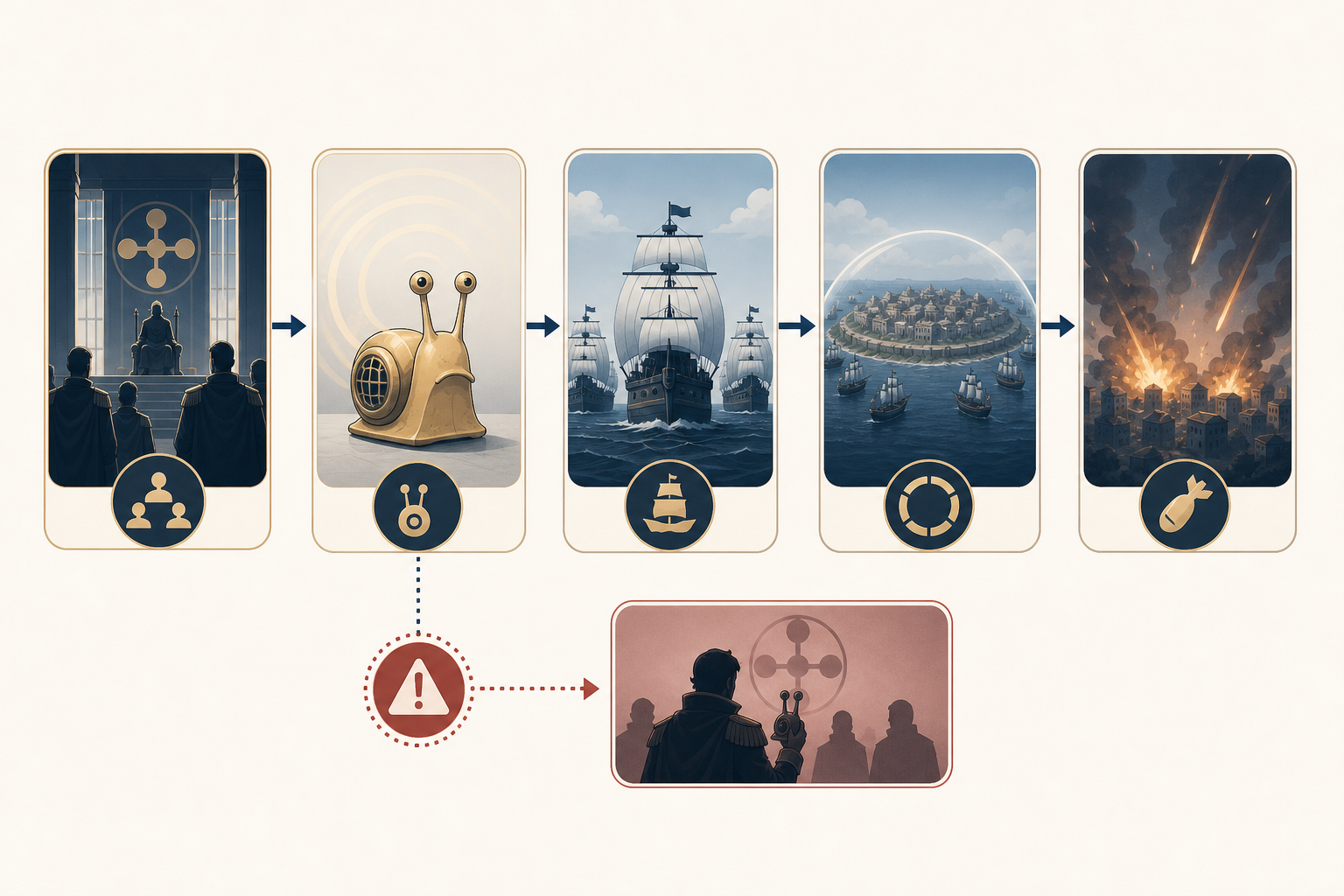
The series presents that signal as the Golden Den Den Mushi. Its limited access is supposed to make it an exceptional emergency measure. In practice, the person who can activate it can turn a local crisis into an island-wide assault.
Authority matters as much as firepower
The chain of command is part of what makes a Buster Call frightening. It turns an extreme act into a procedure. Once the order is accepted, people carrying it out can frame bombardment as duty rather than a personal decision.
That structure also creates a weakness: authority can be delegated, mishandled, or used by someone with incomplete information. Enies Lobby makes that danger especially clear.
When a Buster Call is threatened, separate two questions:
- Who has the political or legal power to order it?
- Who has the signal and can activate it?
Those are not always the same person.
The fleet is powerful, not perfect
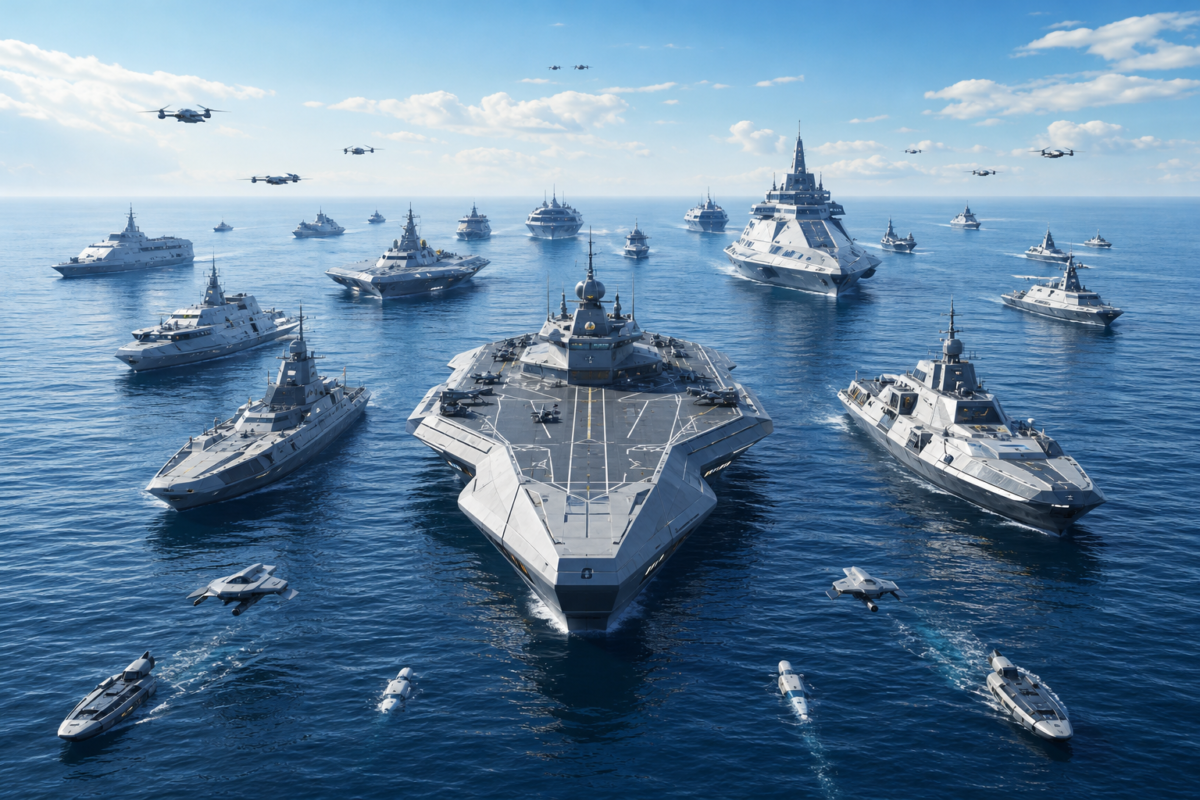
The familiar image of a Buster Call is a group of warships led by senior Marines, firing until the target is destroyed. That gives the Government a huge advantage against a fixed island or trapped civilians.
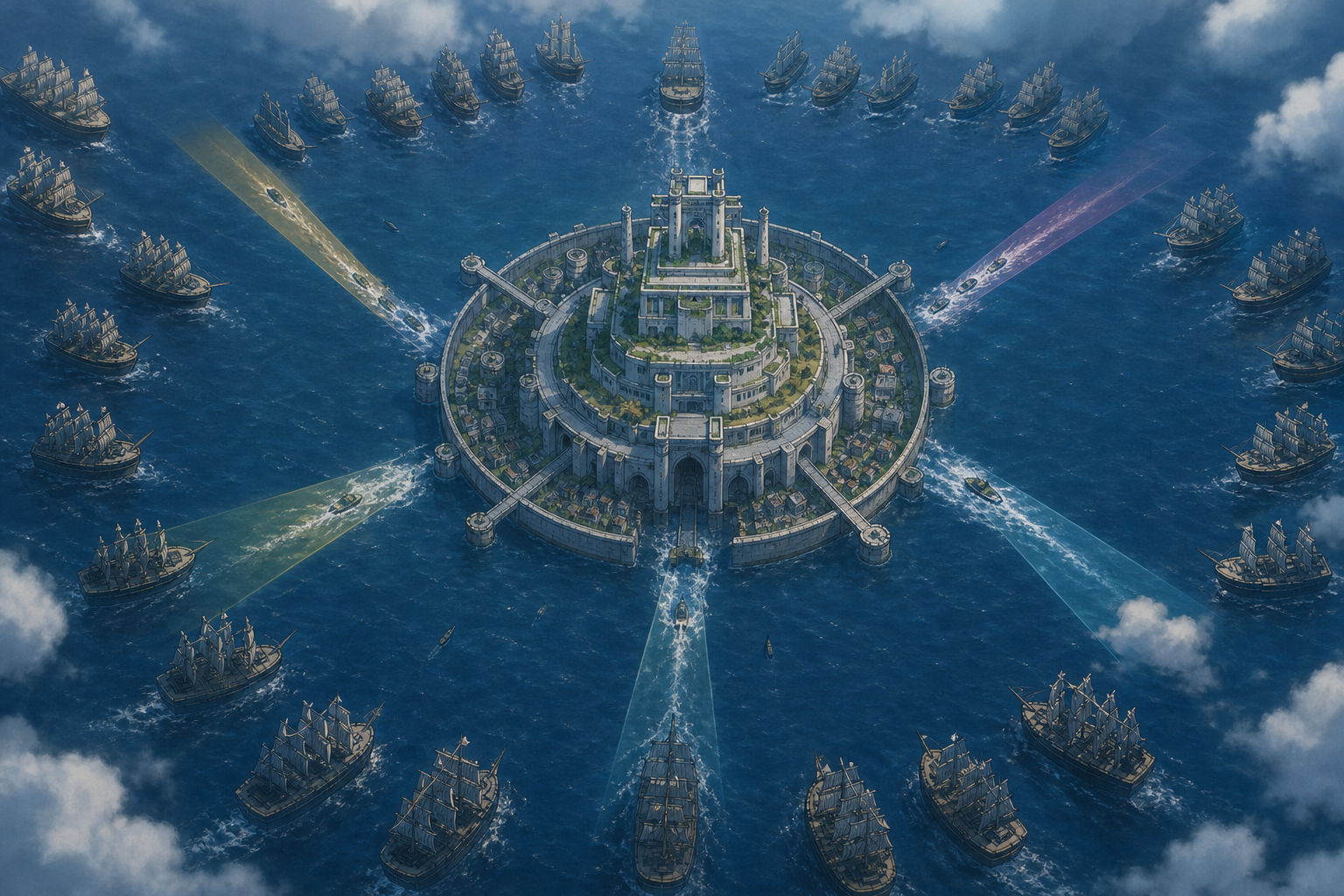
Still, fleets have limits. Ships need time to arrive and take position. Commanders need reliable information. A hidden route, difficult coast, rough seas, or capable defender can create an opening. The Buster Call’s strength is scale, not precision.
Why Ohara Received a Buster Call
Ohara was targeted because its archaeologists studied the Void Century and the Poneglyphs. The World Government regarded that research as forbidden knowledge capable of threatening its rule.
The attack shows the Buster Call at its most severe. The goal was not simply to punish a crime. It was to erase a source of information. The scholars, their library, and the island became targets because of what they might reveal.
For the wider event, including the scholars’ work and the Government cover-up, read The Ohara Incident in One Piece.
Who saved Nico Robin in Ohara?
Jaguar D. Saul gave Robin a chance to escape. His choice matters because he refused to treat a child as an acceptable casualty of the operation.
Robin’s survival is also the clearest sign that a Buster Call can fail at total erasure. Ohara was destroyed, but the Government did not remove every witness or every piece of knowledge. Robin carried both into the future.
That survival connects Ohara to the larger mystery of the world and its lost history. For broader context, see What Is the One Piece?.
What Ohara proves about the system
Ohara shows the intended result: overwhelming force, broad destruction, and a public story that protects those in power. It also shows the system’s central weakness. The Government can destroy an island, but it cannot completely control memory, conscience, or the choices of people like Saul and Robin.
Enies Lobby and Episode 294: The Buster Call in Motion
Enies Lobby is the clearest early example of a Buster Call outside Ohara. The order unfolds during an active crisis, while the Straw Hats and their allies are still fighting to escape.
What happens in Episode 294 of One Piece?
Episode 294 is the point at which the Enies Lobby Buster Call is invoked. The important development is not only that Marines are called in. The conflict shifts from a rescue and pursuit into a destruction order that endangers everyone nearby.
It also demonstrates why the Golden Den Den Mushi is so dangerous. One activation can summon an enormous response even when the person using it is panicking or pursuing the wrong objective.
What Enies Lobby reveals about its limits
Enies Lobby exposes several weaknesses in the Buster Call model:
- The main targets can escape. Destroying the battlefield does not guarantee the Government captures or kills the people it wants most.
- Friendly forces are at risk. In a confused battle, wide bombardment can threaten Marines and allies as well as enemies.
- Bad intelligence produces bad results. A fleet can have huge firepower and still misunderstand who is where.
- Chaos is difficult to control. A blunt attack gives commanders few clean ways to separate enemies, prisoners, civilians, and allies.
- Organized resistance can break the plan. A rescue route, skilled crew, or unexpected intervention can defeat the intended blockade.
This is the practical answer to what is the buster call outside ohara: it is a devastating system, but it can cause massive damage without giving its leaders the control they wanted.
The Real Rules and Limits of a Buster Call
The story does not provide a neat rulebook that guarantees results. A Buster Call works better as a set of conditions that lets the Marines apply overwhelming force.
What needs to be in place
A Buster Call is most effective when these pieces line up:
- Authorization: Someone with the necessary standing approves or activates the order.
- A reachable target: The fleet needs an island, coast, or enclosed area it can surround and bombard.
- Fleet coordination: Ships must arrive, take position, and follow a shared command.
- Useful intelligence: Marines need to know where the real targets are and how they might flee.
- Political will: The World Government must be prepared to accept the damage and fallout of the order.
If one piece is missing, the operation becomes less reliable. A Buster Call can still do terrible damage, but damage and mission success are not the same thing.
The limits shown in practice
The Buster Call has three broad kinds of limits.
Operational limits include travel time, geography, weak communication, and escape routes. A fleet is most dangerous when it can form a perimeter before the target reacts.
Human limits include fear, mistakes, doubt, and compassion. Saul’s choice at Ohara matters because even a huge institution still relies on people to carry out its orders.
Combat limits include powerful fighters and organized allies. The stronger and more mobile the defenders are, the less likely a naval assault is to settle everything on its own.
Why Egghead Is Part of the Conversation
Fans searching for Buster Calls now often have Egghead in mind. Without getting into major plot details, Egghead returns to the same question: what happens when the World Government considers a place, its research, or its witnesses too dangerous to preserve?
The later arc does not need to change the basic definition to make the comparison useful. A Buster Call remains an escalation signal: routine enforcement has ended, and the Government is prepared to sacrifice a location to contain a threat.
The key comparison is not whether every case looks exactly like Ohara. It is whether the same pattern appears:
- Knowledge or people are treated as unacceptable risks.
- Containment matters more than due process.
- The Government chooses mass force over a targeted response.
- Survivors and hidden truths can undermine the official result.
Quick Buster Call Checklist
When a new One Piece arc hints at a Buster Call, ask:
- Who has the power to call it?
- Who has access to the Golden Den Den Mushi or the order itself?
- What is the Government trying to erase: a person, an island, evidence, or history?
- Where can people escape?
- Which Marines might question the order?
- Can the fleet identify its real target before it begins firing?
Ohara shows the Buster Call at its most ruthless. Enies Lobby shows why overwhelming force can still miss its true goal. Together, they make the answer clear: it is a World Government weapon of destruction and intimidation, not a guaranteed way to erase a problem.