
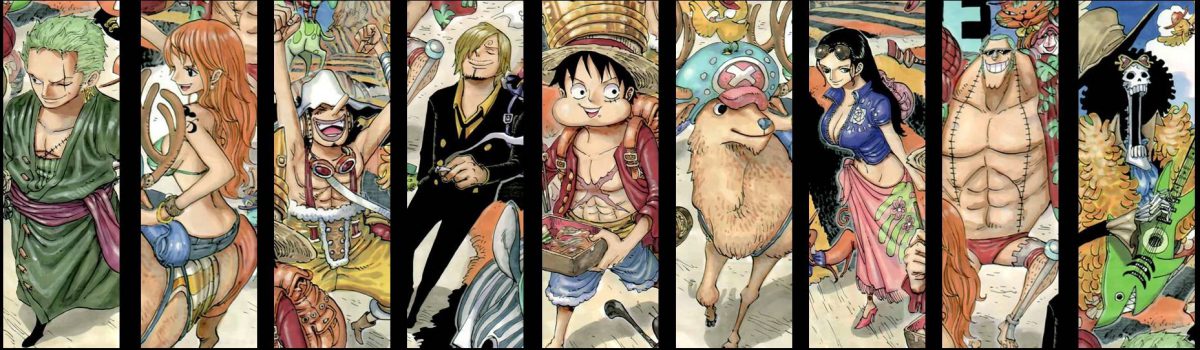
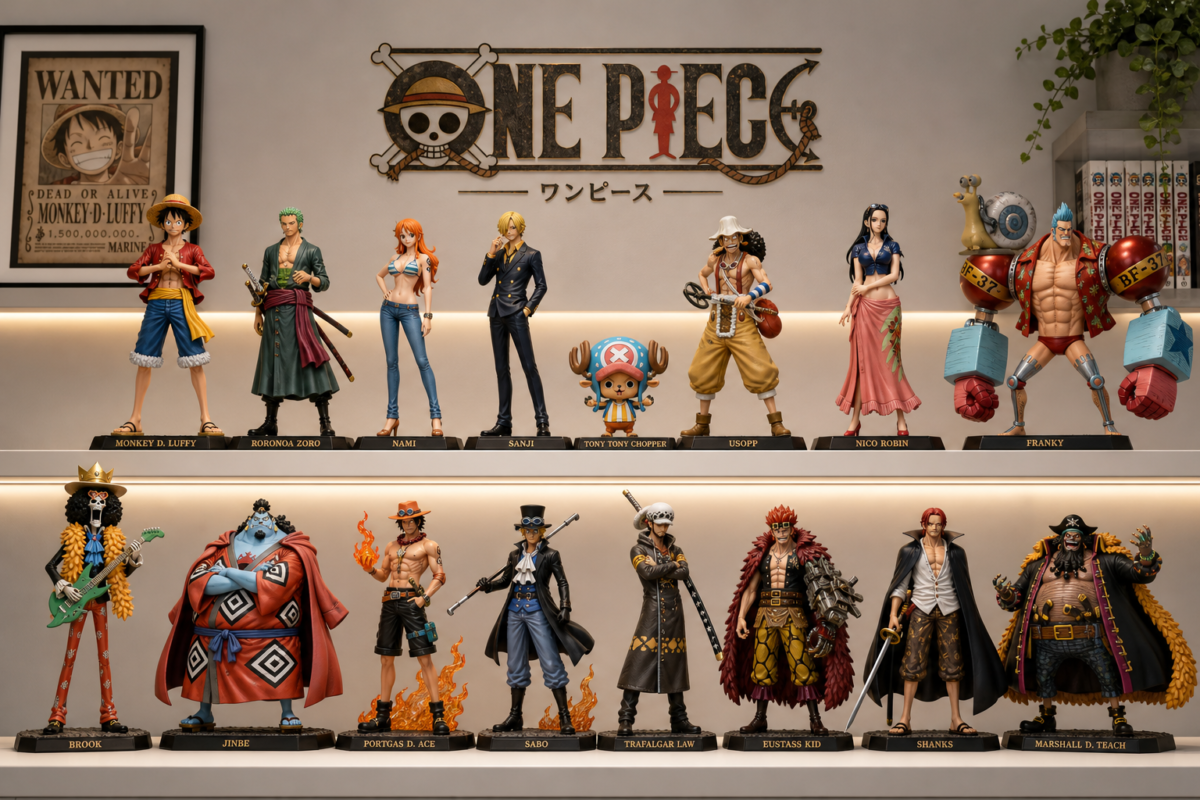
Your first figure does not need to be the rarest or most expensive release. It needs to be a character you love, a size that fits your shelf, and a purchase you can make with confidence. This guide explains how to choose a starter One Piece figure without getting pulled into hype, oversized boxes, or sketchy listings.
Start with one figure, one display spot, and a clear spending limit. That simple plan makes the hobby far more fun.
Start With the Regret-Proof Starter Pick
A strong first purchase passes three tests:
- Attachment: You genuinely like the character, outfit, or arc.
- Fit: The base, pose, and box work with your available space.
- Trust: The listing clearly identifies the maker and comes from a seller you can assess.
This matters more than buying what is trending. A figure can be beautifully made and still be the wrong first pick if you do not care about the character or have nowhere to display it.
Choose a character version that means something to you. For example, if Franky’s post-time-skip design is your favorite, revisit the details of how powerful Franky is after the time skip before choosing between his different looks. The same approach works for arc outfits, battle poses, and crew lineups.
Set a Budget Before You Browse
Set a total budget, not just a figure price. Include shipping, tax, protective cases, or a riser if you need one. Beginner collectors often recommend setting a limit and taking time before buying; this beginner collecting discussion is a useful reminder that another release will come along.
You do not need a fixed dollar amount to shop well. Instead, decide which trade-off you want to make.
| Budget approach | What to prioritize | Main trade-off |
|---|---|---|
| Low-commitment first buy | A prize figure or compact non-scale figure | Simpler paint, base, or packaging |
| Mid-range display piece | A pose and character you will keep visible | Sizes and finish vary widely by release |
| Premium centerpiece | Sculpt detail, paintwork, and a dramatic display | Higher cost and more reason to check the seller carefully |
Do not assume a higher price guarantees a better figure for you. Compare the exact release, its real photos, its dimensions, and its seller—not only the label on the box.
Choose the Right One Piece Figure Line
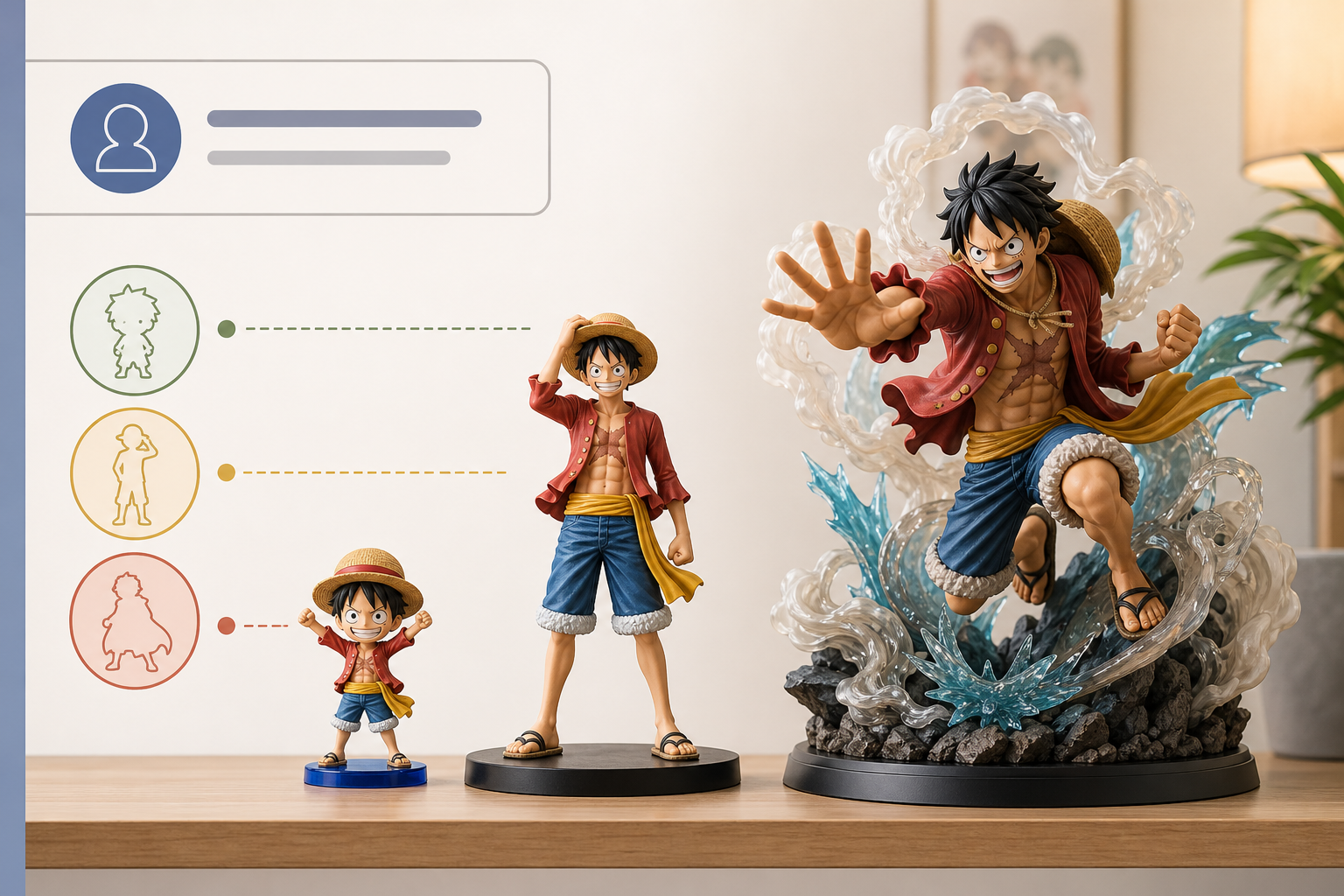
One Piece has several common figure styles. The best starter line depends on whether you want a centerpiece, a simple desk display, or a small crew collection.
Prize figures and accessible non-scale releases
Prize figures are commonly made for crane-game and prize markets. They are often a practical way to test what you enjoy: a character, a pose style, or a display size. They tend to have simpler bases and less intricate finishing than premium pieces, but a well-chosen one can still look great on a shelf.
DXF, Combination Battle, and Memorable Saga are names you may see while browsing. Treat the line name as a starting point, not a quality guarantee. Look at photos of the exact release and check its stated dimensions.
These are a good fit if you want a low-pressure first figure, prefer non-scale sizes, or would rather buy one favorite character than commit to a large display.
P.O.P: Portrait of Pirates
P.O.P, short for Portrait of Pirates, is a Megahouse One Piece line that collectors often view as a more premium option. These releases are usually bought for detailed sculpts and a strong display presence.
The trade-off is simple: premium figures cost more, may need more room, and deserve more careful seller checks. If you are still unsure about scale or shelf space, there is no shame in starting smaller and saving a P.O.P purchase for later.
WCF for compact shelves and crew displays
World Collectable Figures, often called WCF, are small chibi-style figures. They work well on a desk, narrow bookshelf, or small riser. They are also a fun option if you want several Straw Hats, villains, or arc characters without giving one large figure the whole shelf.
Their trade-off is detail. A WCF will not have the presence of a large scale figure, but it can be the better display choice in a tight room.
Pick a line based on your goal
| If you want… | A sensible starting point |
|---|---|
| One large focal point | A carefully measured premium or scale-style release |
| Good value and an easy first try | A prize figure or other compact non-scale release |
| A small character lineup | WCF figures |
| A specific arc or costume | The release that best captures that version, regardless of line |
Use the Straw Hat Shelf Test Before Buying
For small spaces, scale alone does not tell the whole story. A 1/8 figure can take more shelf space than a 1/7 if it has a wide base, a flying coat, effect pieces, or a long weapon.
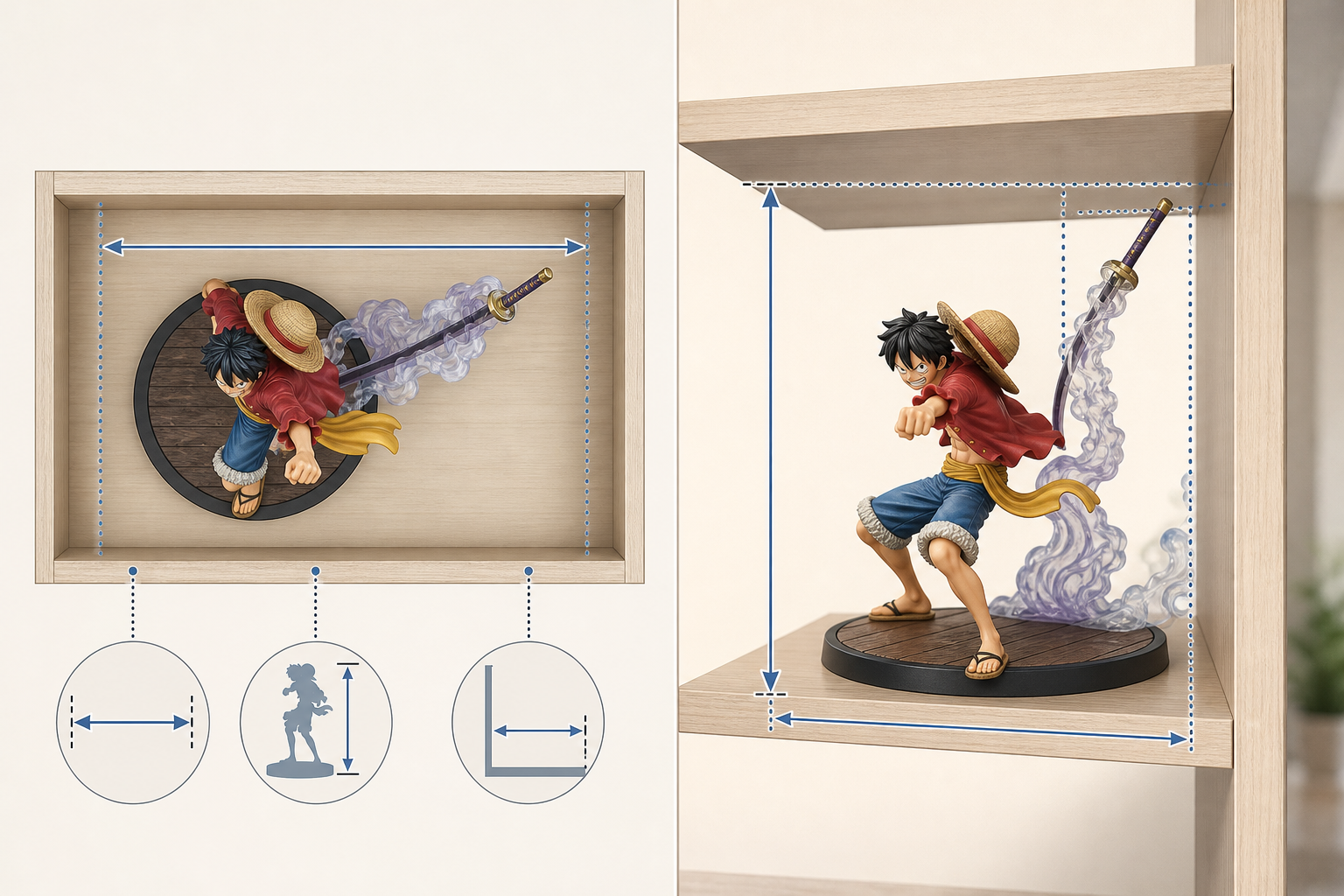
Before you buy, use this quick shelf test:
- Measure the usable width, depth, and height of the display spot.
- Read the listing dimensions and look for the base size when it is available.
- Leave room around the figure for hair, swords, effects, and easy dusting.
- Check whether the figure will sit near books, a monitor, a cabinet door, or another figure.
- Decide where the box will go if you plan to keep it.
What size fits a desk or shallow bookshelf?
WCF figures and compact non-scale releases are usually the easiest choices for a desk or a shallow shelf. Seated poses can also use space well. Avoid making your first pick a sprawling action pose unless you have measured for it.
A 1/8 figure can be easier to place than a 1/7 of the same character, but this is not a rule. Always use the listed measurements. The base footprint and the pose matter more than the fraction on the label.
Watch for hidden space problems
The usual troublemakers are wide bases, long swords, capes, effect parts, and figures that lean forward. They may technically fit but still look crowded.
If you love a high-action character such as Kid, leave extra side room for the pose and accessories. It also helps to know which version of the character you want before shopping; our guide on how Kid lost his arm in One Piece can help place that choice in context.
Buy Authentic Figures and Read Listings Carefully
The safest first route is a known hobby retailer, anime shop, or local store with clear product details and return information. Marketplace and secondhand deals can be excellent, but they require more checking.
A useful general rule from this One Piece figures buying guide is to favor reputable sellers and inspect the listing details rather than rushing into a bargain.
What to check on a new listing
Look for these basics before paying:
- The manufacturer or brand is named clearly.
- The listing identifies the exact character, line, and release.
- Photos show the actual item when possible, not only promotional images.
- The seller provides clear condition and return details.
- The price is plausible compared with other current listings for the same release.
Official logos, licensing marks, and manufacturer branding on the box can be helpful signs, but they are not a substitute for a trustworthy seller. Blurry photos, vague titles, missing maker information, and prices that seem far below every other listing are reasons to pause.
A quick secondhand buying protocol
When buying used, ask for:
- Clear photos of the front, back, and sides of the box
- Close-ups of the face, hands, base, and any fragile effect parts
- Photos of manufacturer marks or labels when available
- Confirmation of missing parts, repairs, paint marks, smoke exposure, or sun fading
- A description of how the figure was stored
Compare the photos with reliable images of the same release. For example, a character-specific reference such as this Jewelry Bonney figure guide can help you check the character design, accessories, and release naming before you commit.
Display and Care for Your First Figure
Once it arrives, give the figure a stable home. Keep it away from direct sun, heat sources, and shelf edges. A tall or dynamic figure is safer when its base sits flat and has open space around it.
Dust with a soft makeup brush, lens brush, or clean microfiber cloth. For narrow gaps, use a hand air blower from a short distance. Avoid harsh cleaners and do not put pressure on thin swords, hair tips, hands, or effect pieces when moving the figure.
Keep the original box and inner tray if you can. They make moving, storing, and reselling much easier. If you rotate displays, store the figure in a cool, dry place and keep separate parts protected from paint rub.
First-Purchase Checklist
Use this list right before checkout:
- [ ] I would still want this character if it were not on sale.
- [ ] I know the exact line and release I am buying.
- [ ] I measured the shelf width, depth, and height.
- [ ] I checked the pose and base, not just the figure height.
- [ ] The total cost fits my limit, including shipping and tax.
- [ ] The seller and listing details give me confidence.
- [ ] For a used item, I requested condition photos and part details.
- [ ] I have a stable, shaded place to display it.
FAQ
Which brands are safest for first-time buyers?
Start with established manufacturers and clearly identified official releases, then buy from sellers with good product information and a clear return process. Bandai, Banpresto, and Megahouse are names you may see often in One Piece listings. Still, assess each item and seller on its own merits—brand names alone do not confirm that a marketplace listing is authentic.
Are prize figures good for beginners?
Yes. Prize figures are a sensible first purchase if you want to keep the cost and commitment lower. They let you learn what size, pose, and character style you enjoy. Expect less elaborate finishing than many premium figures, and check real photos when you can.
What is the best size for a small space?
Start with WCF or a compact non-scale figure if you have a desk or shallow shelf. If you prefer a larger piece, use the Straw Hat Shelf Test and choose by actual dimensions. A compact base matters more than a scale number alone.
How do I choose a starter One Piece figure without overspending?
Pick your character first, set a full budget, and choose a line that fits the budget and shelf. Do not upgrade just because a listing calls something rare or premium. The best first figure is one you are happy to see every day, not one that stretches your budget or crowds your room.